

Many of us living in Birmingham are familiar with the challenges that come from the city’s heavy, clay-rich soils. Rainwater often lingers in gardens and around foundations, leaving soggy patches that can make outdoor spaces difficult to use and sometimes even affect our homes.
Clay soils can slow down drainage, leading to water build-up that may cause problems such as waterlogged lawns, blocked drains, and even damp indoors.
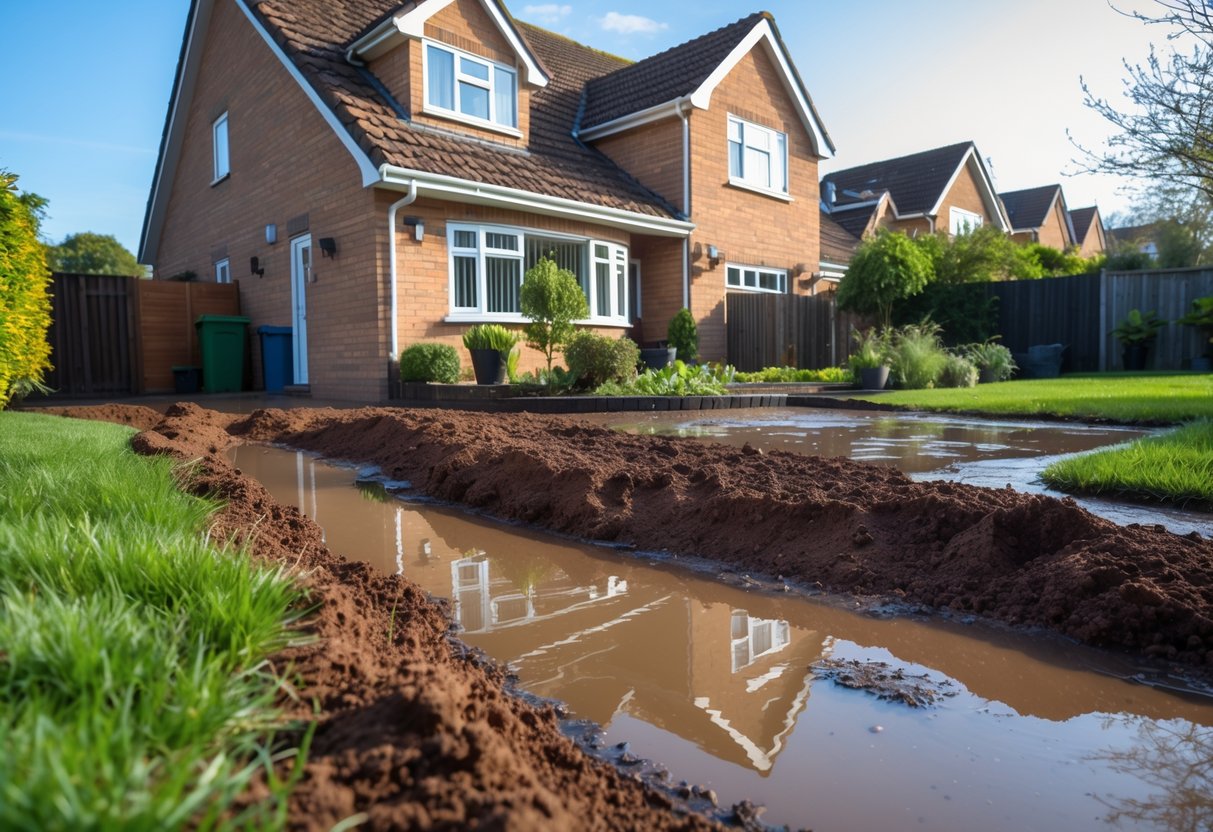
Understanding how clay soils behave is key to keeping our homes comfortable and dry. These soils tend to hold onto water instead of letting it soak away quickly, especially after heavy rain.
We’ll explore what makes Birmingham’s soil unique, how it can affect our homes, and what steps we can take to improve drainage and prevent lasting damage.
Key Takeaways
- Birmingham’s clay soils hold water and drain slowly.
- Poor drainage can cause common home and garden issues.
- We can take steps to improve soil drainage and protect our property.
Understanding Clay Soils in Birmingham
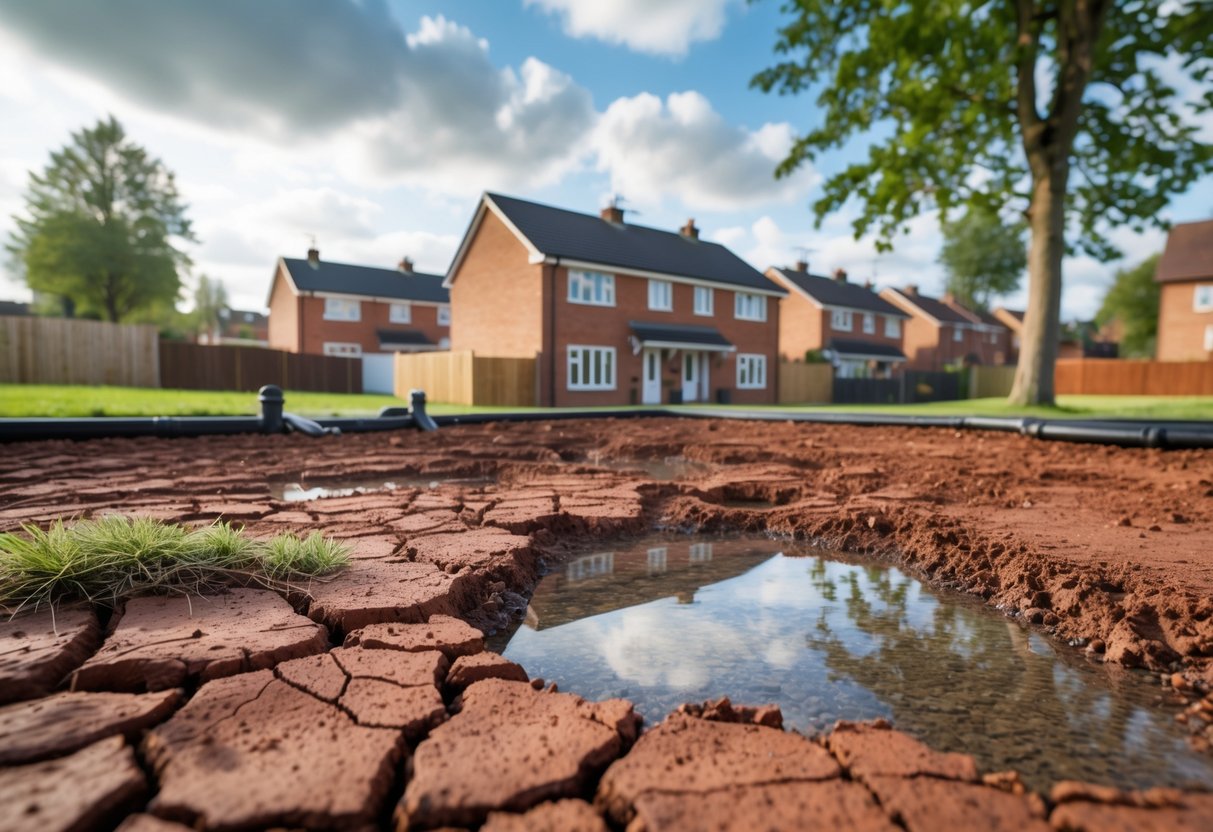
Birmingham is famous for its clay-rich soils, which greatly affect water drainage in gardens and beneath homes. The properties of clay, the unique presence of red clay, and the density of the local soil can lead to drainage concerns for many homeowners.
What Makes Clay Soils Unique
Clay soils contain very small particles packed closely together. This structure means clay holds water well, but it also drains slowly.
Homeowners often notice water pooling after heavy rain because water cannot filter down easily through the tightly packed soil.
Main features of clay soils:
| Characteristic | Detail |
|---|---|
| Particle size | Tiny |
| Water retention | High |
| Drainage speed | Slow |
| Texture when wet | Sticky and heavy |
Clay soils also shrink and swell as they get wet or dry. This can cause cracks in dry periods and muddy surfaces when wet.
Poor drainage and soil movement create extra challenges for home foundations and garden plant growth, as roots may struggle to access air in these dense soils.
Presence of Red Clay
Much of the Birmingham area contains noticeable red clay. The red colour comes from iron oxide present in the soil.
This type of clay is well known across the West Midlands and is linked to the region’s historic building and pottery industries.
Red clay is often denser than other soils, and it has a distinct texture when touched. This dense red clay holds water even more tightly.
As a result, gardens with red clay are more likely to flood or have standing puddles after rainfall.
Certain plants find it hard to grow in red clay because their roots have trouble spreading in such compact, firm ground. Homeowners may notice plants struggling, especially during wet or very dry spells.
Local Soil Conditions and Density
The density of Birmingham’s clay soils is an important factor to consider for home drainage. Dense soils mean that water moves through the ground slowly, which often leads to surface water and soggy patches in gardens or around homes—a problem noted in local research on draining English clay-lands.
Birmingham’s suburbs and newer housing estates are especially known for heavy, poorly drained clay soils. When soil is packed tightly, heavy rains can cause excess moisture to collect, creating issues such as foundation damage, shifting paths or patios, and garden flooding.
Builders and landscapers often need to install extra drainage systems or improve soil structure to reduce these problems. Good management of dense clay soils is key to keeping gardens healthy and avoiding water build-up around houses.
How Clay Soils Impact Home Drainage
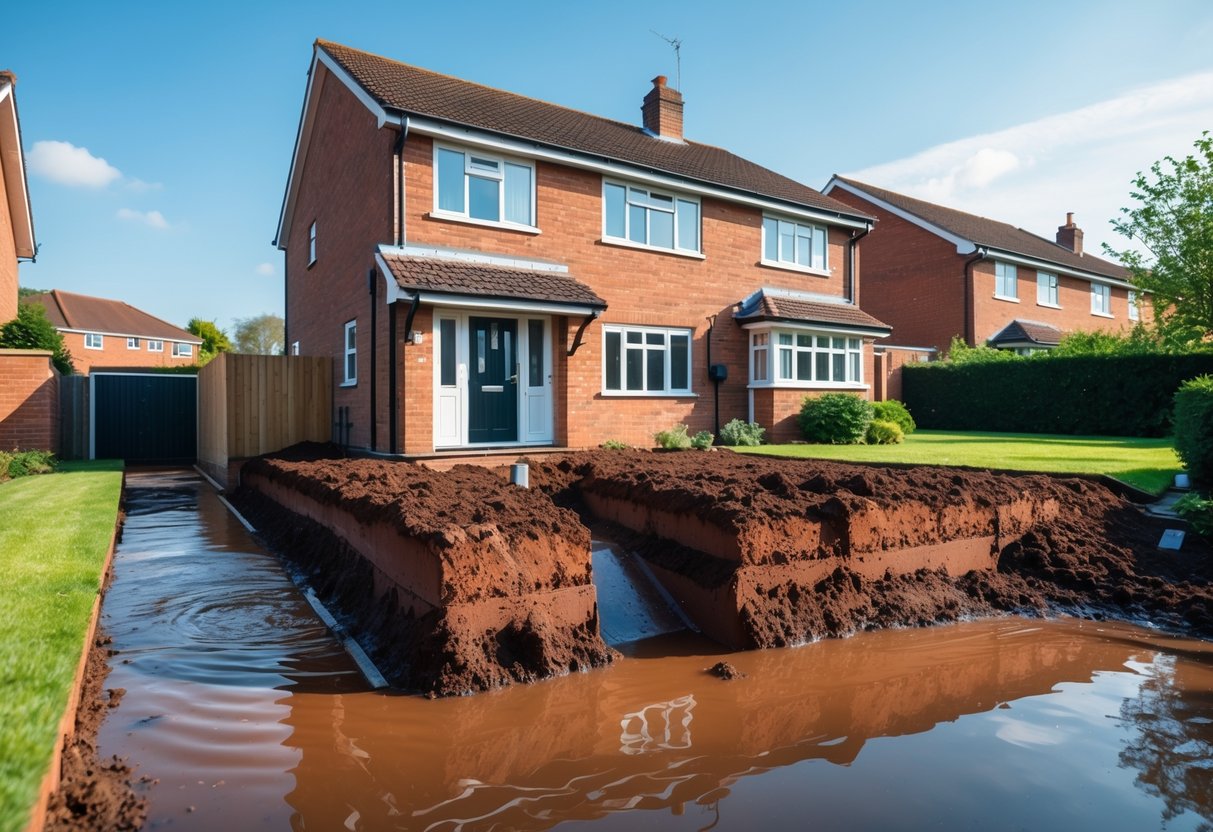
Clay soils in Birmingham create drainage challenges because they hold water for longer periods and compact easily under pressure. These conditions affect how water moves through the ground and can impact the foundations and gardens of our homes.
Water Retention and Compaction
Clay soils have very small particles, which allows them to hold more water than sandy or loamy soils. When it rains, water takes a long time to move through these fine particles.
This can lead to soggy lawns or standing water near our homes. The high water-holding capacity causes the soil to stay wet after rainfall and during winter months.
This often leads to pooling that doesn’t drain naturally. Our gardens and driveways can feel spongy or muddy as a result.
Compaction is another issue. Clay soil compresses easily, especially when it’s walked on or driven over.
This makes it harder for water to pass through and leads to even poorer drainage. You can learn more about how heavy clay soils affect the movement of water by reading about clay soil drainage.
Challenges of Poor Drainage
Poor drainage in clay soil can cause several problems in and around our homes. When water cannot drain away, it puts pressure on foundations and can seep into basements or crawl spaces.
This increases the risk of damp and mould inside the house. Standing water also affects gardens.
Plants often struggle to grow because roots cannot get the air they need in waterlogged conditions. Hard surfaces like patios and driveways may develop cracks and shifts due to the constant wet and dry cycles, which is a direct effect of living in areas with ill-drained clay lands.
Blocked or overwhelmed drains are another challenge. During heavy rain, the limited infiltration can cause water to pool or overflow, putting extra load on local drains and pipes.
This “flashy” response to rainfall leads to quick flooding after a storm.
Effects on Soil Structure
The structure of clay soil is easily damaged when it’s too wet or too dry. When wet, clay particles stick together, making the soil heavy and sticky.
During dry weather, the soil can shrink, forming wide cracks. Frequent shrinking and swelling over the seasons weaken soil structure.
These actions also affect garden plants, as their roots may be shifted or damaged. Hard layers called pans can form under the surface, further stopping water movement and root growth.
Proper drainage systems, like pipes or channels, are sometimes needed to keep the soil healthy. Swelling and shrinking can even damage drains and pipes, causing costly repairs, especially in places with shrinking and swelling soils.
Common Drainage Problems in Birmingham Homes
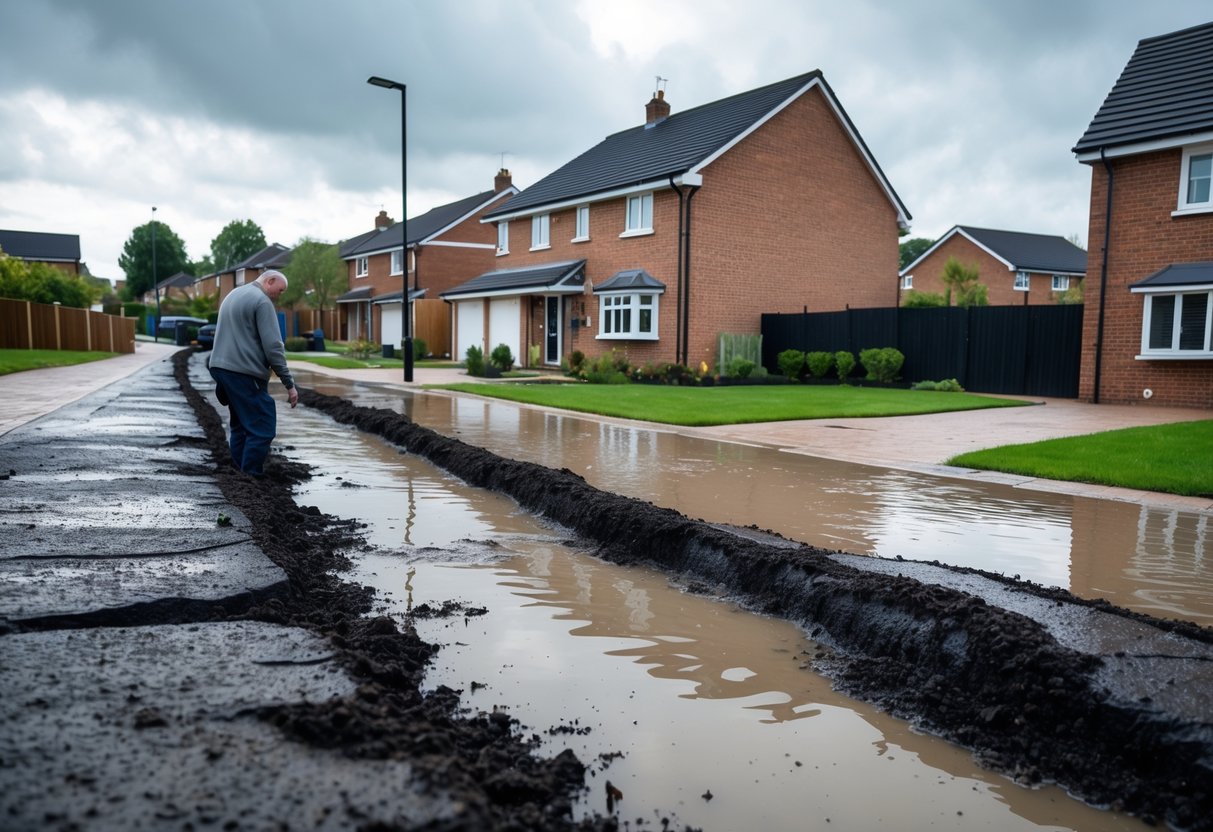
In Birmingham, heavy clay soils cause drainage challenges for many households. These soils hold water on the surface and drain slowly, leading to damp environments and property concerns.
Surface Water Accumulation
Clay soils in our area tend to become waterlogged after rain. Since water cannot soak through the dense clay quickly, it often pools on gardens, driveways, and pavements.
This persistent standing water is a frequent sign of poor drainage. We may notice puddles that last for days after rainfall.
This sitting water can damage lawns, attract insects, and create muddy, slippery conditions. Patio areas and paths are also prone to becoming slick and hazardous.
Common signs of surface water problems include:
- Pools or puddles in the garden
- Muddy, boggy patches by the home
- Water spilling over kerbs or paths
- Soggy soil around sheds or garages
If ignored, surface accumulation can seep closer to the house, putting walls and subfloors at risk of damp.
Foundation and Structural Issues
When clay soil retains too much water, it can put pressure on our home’s structure. As water stays trapped, it can move towards the building foundation.
Over time, this moisture may cause bricks and mortar to become damp, leading to visible cracks or shifting. Expansion and shrinking of clay—known as heave and shrinkage—also occurs as the soil gains or loses water.
These movements can disturb footings and lead to uneven floors, jammed doors, or tilting external walls. Older properties and homes without a proper damp proof course are most at risk.
Extended wet periods may worsen any minor cracks, allowing more water into the foundation and around pipes, which can further increase the risk of internal dampness or even flooding during storms.
Homes near slopes or at the bottom of hills often face more severe drainage complications.
Improving Clay Soil Drainage at Home
Clay soils in Birmingham hold water because of their small, tightly packed particles. When water can’t drain away quickly, gardens and lawns can become muddy and difficult to manage.
We can use practical techniques to improve drainage and help our outdoor spaces stay healthy.
Aeration and Digging Techniques
Aeration helps water move through dense clay. We can use a garden fork or mechanical aerator to make small holes in the soil.
This creates space for air and water to get in, especially after heavy rain. It’s best to aerate when the soil is damp but not too wet or dry.
Double digging is another useful method. We start by removing the top layer of soil, then loosen the layer underneath with a fork.
This breaks up the compacted clay and allows water to flow more freely. When doing garden projects, we should avoid walking on wet clay, as it compacts even more.
Aeration and digging are most effective when repeated each year. If surface water remains after rain, adding gravel or drainage pipes under the soil may be needed.
More details and background on how Birmingham’s clay soils impact drainage can be found at Swelling and shrinking soils.
Using Organic Matter and Compost
Adding organic matter makes clay soil easier to work with. Well-rotted compost, leaf mould, or manure should be mixed deep into the soil.
These materials separate the clay particles, creating more gaps so water can pass through and roots can breathe. We aim to spread a thick layer (about 5–10 cm) of compost over the soil each year.
Mixing this into the top 20–30 cm of soil brings the best results. Over time, earthworms and microbes move the organic matter further down, so the soil keeps improving.
Organic matter doesn’t just help with drainage; it also makes the soil healthier for plants. For further reading on improving heavy clay soils with additives, see Improvement of clay soils in situ using lime piles in the UK.
But for home gardens, compost is usually the safest and easiest option. We should avoid adding too much sand or chemical treatments, as these can make problems worse.
Mulching and Soil Amendments
Mulching and soil amendments can help us deal with Birmingham’s heavy clay soils by improving water penetration and reducing compaction. With the right approach, we can boost drainage and soil health around our homes.
Benefits of Mulch
Using mulch on clay soils creates a protective layer that cuts down on evaporation and keeps soil temperatures steady. This is useful because clay heats up slowly and often dries out or becomes hard at the surface.
Mulch stops rain from driving particles together, which limits crusting and compaction. As the mulch breaks down, it adds organic matter to the clay, making the soil softer and easier for water to soak through.
Moisture loss is slowed, and roots find it easier to grow. Mulch also helps lock in nutrients in the ground, reducing the need to fertilise as often.
For urban clay soils like those in Birmingham, a mulch layer can also help prevent heavy rain from causing surface run-off and soil erosion, as seen in studies on urban soil management.
Quick Benefits List:
- Reduces crusting and compaction
- Improves water retention
- Adds organic matter
- Reduces soil temperature swings
- Minimises erosion and run-off
Applying Well-Rotted Manure
Well-rotted manure is a traditional soil amendment for clay. When we add it to garden beds, it breaks up dense clay, letting roots and water move more freely.
This is especially important where clay makes the soil hard and sticky after heavy rain. We need to use only well-rotted manure, as fresh manure can burn plants and introduce weeds.
Well-aged manure enriches the soil gently and feeds helpful soil life. Mixing manure into the top 10–15cm of clay loosens the soil’s structure.
This allows plants to take up water and nutrients more easily. It also improves drainage.
Careful incorporation with a fork prevents large clumps and spreads the amendment evenly. We can apply well-rotted manure in spring or autumn.
Simply spread 5–7cm over the ground, then work it in for best results. The benefits of using organic amendments for drainage have been noted in research on urban soils.
Garden Planting in Clay Soils
Clay soils hold water well but drain slowly. This impacts the types of plants that grow best.
It’s important to choose plants that tolerate wet roots and heavy soil. Improving drainage where possible also helps.
Selecting Flowers for Clay Soil
When selecting flowers for clay soil, we should look for species that can handle both wet winters and dry summers. Perennials, such as asters, daylilies, and sedums, adapt well to heavy soils because their deep roots help break up the clay.
Spring bulbs like daffodils and snowdrops do well, provided we add grit to improve drainage at planting time.
Here is a table highlighting good choices for flower planting in clay:
| Flower Name | Season | Notes |
|---|---|---|
| Aster | Autumn | Tolerates moisture and compact soil |
| Daylily | Summer | Deep roots, needs some sun |
| Sedum | Late Summer | Drought-tolerant once established |
| Daffodil | Spring | Add grit for root health |
| Snowdrop | Early Spring | Reliable in clay with prep |
We should avoid sowing seeds directly into unprepared clay. It’s often too dense for seedlings to thrive.
Mixing compost or sand into beds can help.
Growing Roses and Other Plants
Roses are one of the most popular choices for clay gardens. They prefer heavy soils because clay holds nutrients and moisture.
When planting roses, it’s best to dig a large hole and mix clay with compost. Using sharp sand helps drainage.
Other plants that thrive in clay soils include hydrangeas, peonies, and hostas. These plants have roots adapted to heavy, sticky earth.
We should mulch around these plants in spring to lock in moisture during dry spells. This also prevents cracking of the soil as it dries, which is common in Birmingham.
Trees such as hawthorn and silver birch tolerate heavy, wet soils. However, we must be careful with deep-rooted trees near buildings, as their roots can worsen clay shrinkage close to foundations, as explained in studies of tree root behaviour in UK clay soils.
Installing Drainage Solutions
Clay soils in Birmingham hold water and drain slowly. This can cause water to build up around our homes.
We need effective drainage systems to keep basements, foundations, and gardens dry.
Introduction to French Drains
French drains are a common way to manage water in clay soils. This system uses a trench filled with gravel and a perforated pipe.
The pipe collects excess water from the soil and directs it away from our property. We often install French drains along problem areas, such as the base of walls or low spots in the garden.
This helps lower the risk of standing water that might damage our home’s foundation or create muddy patches. French drains can be especially helpful in older Birmingham neighbourhoods, where clay holds water for days after rain.
To keep a French drain working well, we need to check it for clogs and remove leaves or soil that block the pipe. A properly installed system makes a clear route for water, reducing the risk of flooding during heavy rain.
If professional help is needed, many local drainage experts can design and install a system fit for our property.
Other Home Drainage Systems
We have several choices beyond French drains to improve drainage in clay soils. Surface drains, like channel drains or grated trench drains, work for driveways and patios.
These capture water before it soaks into the ground. Another approach is installing a soakaway, which lets water drain into a gravel-filled pit away from the house.
Sump pump systems may also be needed if we have a basement that tends to flood. These pumps collect water that pools under the house and push it out to a safe place.
Building up soil around our home and shaping the ground to slope away from the foundation also helps. Adding gutter downspout extensions sends rainwater further from the house, keeping the soil near our walls drier.
More detailed advice on urban drainage can be found in resources like Urban drainage.
Long-Term Maintenance and Natural Resources
Clay soils in Birmingham pose unique drainage challenges. To keep our homes protected and preserve the local environment, we need both effective strategies and a long-term view.
Sustainable Soil Management
Managing heavy clay soils means dealing with slow drainage and regular maintenance. Without proper care, excess water can pool near foundations or lead to garden flooding.
We need to use techniques like installing French drains, using soil conditioners, or planting deep-rooted vegetation. Routine checks are vital.
Inspecting and clearing drains helps prevent clogging, especially after storms. It’s important to maintain both surface and sub-surface drainage systems.
According to research, blockages in drainage pipes, often caused by compacted clay, can lead to more severe water buildup and even damage to infrastructure over time. More about this can be found in the impact of land drainage on river flows.
Here is a simple checklist for long-term soil maintenance:
- Monitor soil moisture regularly
- Clear leaves and debris from surface drains
- Service sub-surface pipes each year
- Check for uneven ground or soil movement
- Promote aeration through seasonal cultivation
Preserving Birmingham’s Natural Resources
Our clay soils do more than affect our homes; they influence how we use and protect the city’s natural resources. Overworking clay can harm the structure of the soil, reduce fertility, and damage rooted ecosystems.
Responsible management supports the health of groundwater and local rivers. Properly maintained soils can limit contaminated runoff entering streams.
We help maintain the balance of natural water cycles by keeping drains clear and reducing soil compaction. This is important for keeping the Birmingham aquifer and surface water clean.
Poor drainage can result in standing water that contributes to the spread of pollutants, as described in studies on soil impacts on infrastructure.
Frequently Asked Questions
Clay soils in Birmingham create special challenges for both drainage and the stability of homes. We need to understand the risks, look for signs of trouble, and know our options if we want to protect our property.
What methods improve foundation stability on clay-rich soils in the UK?
We often rely on deeper, stronger foundations to handle shrinking and swelling clay. Piling and raft foundations are common solutions in the UK.
These methods help spread the weight of a building and prevent cracks caused by soil movement. Adding moisture control measures around the home can reduce the risk of foundation shifting.
Keeping water away from the base of the house is a helpful step.
Which drainage solutions are most effective for homes built on clay soil?
Clay soils drain water slowly, so water can easily pool near the surface. Installing artificial land drains, such as perforated pipes or French drains, can move water away from our homes.
Sometimes we need to use close pipe spacing due to the tight, sticky nature of clay. It’s important to direct water from downpipes and patios away from the house as well.
Guttering and sloped landscaping also help reduce surface pooling.
How can clay soil impact the structural integrity of a house over time?
Clay’s ability to absorb and lose water makes it expand and contract. Over years, these changes can damage building structures, causing foundations to shift and cracks to appear in walls.
Repeated cycles of wetting and drying can slowly make these problems worse, especially after heavy rains or periods of drought.
What are the signs of drainage problems associated with clay soils?
Signs often include standing water after rain, slow-draining flowerbeds, or soggy lawns that don’t dry out quickly. We might notice cracks in walls, sticking doors, or uneven floors as the clay moves under the house.
Unpleasant odours and damp patches in basements could also point to drainage issues.
Can landscaping adjustments alleviate drainage issues in clay soil areas?
Changing our landscaping often helps. Creating gentle slopes away from the house allows water to flow away.
Installing proper drainage systems beneath lawns or driveways can be effective. Choosing plants that tolerate wet soil and have deep roots may also help absorb excess water and keep the soil in place.
What preventive measures can homeowners take to protect their property against clay soil expansion?
Keeping soil moisture levels steady is key. Regular watering during dry spells helps reduce shrinkage.
Planting shrubs or grass holds the soil together. Removing large trees near foundations can help, since their roots pull moisture out of the ground.
Repairing leaks in drains or pipes promptly prevents extra water from reaching the clay. Regular checks and maintenance can catch problems early.


